
South Goa Tour by Taxi
Quiet Beaches, Portuguese Heritage, and Scenic Villages
Explore Palolem, Colva, Old Goa's UNESCO World Heritage churches, and Cabo de Rama Fort in one comfortable full-day taxi tour.
South Goa: The Quieter, More Scenic Side of the State
While North Goa gets most of the tourist attention, South Goa offers a different and in many ways richer experience. The beaches here are broader, the water cleaner, and the crowds significantly thinner. The southern taluka of Salcete and Canacona are home to some of Goa's best-preserved Portuguese colonial architecture, wildlife-adjacent landscapes, and a coastline that still feels genuinely unspoiled.
Our South Goa taxi tour takes you through this entire region in a single day. Depending on your interests, you can focus on beaches, combine beaches with heritage sites, or opt for the dedicated Old Goa Heritage Tour that concentrates entirely on the UNESCO World Heritage churches and the historic town of Old Goa.
The full-day package runs for 8 hours and covers the major attractions. The half-day option works well for guests who want to visit the churches and a couple of beaches without committing to a full day.
Beaches of South Goa
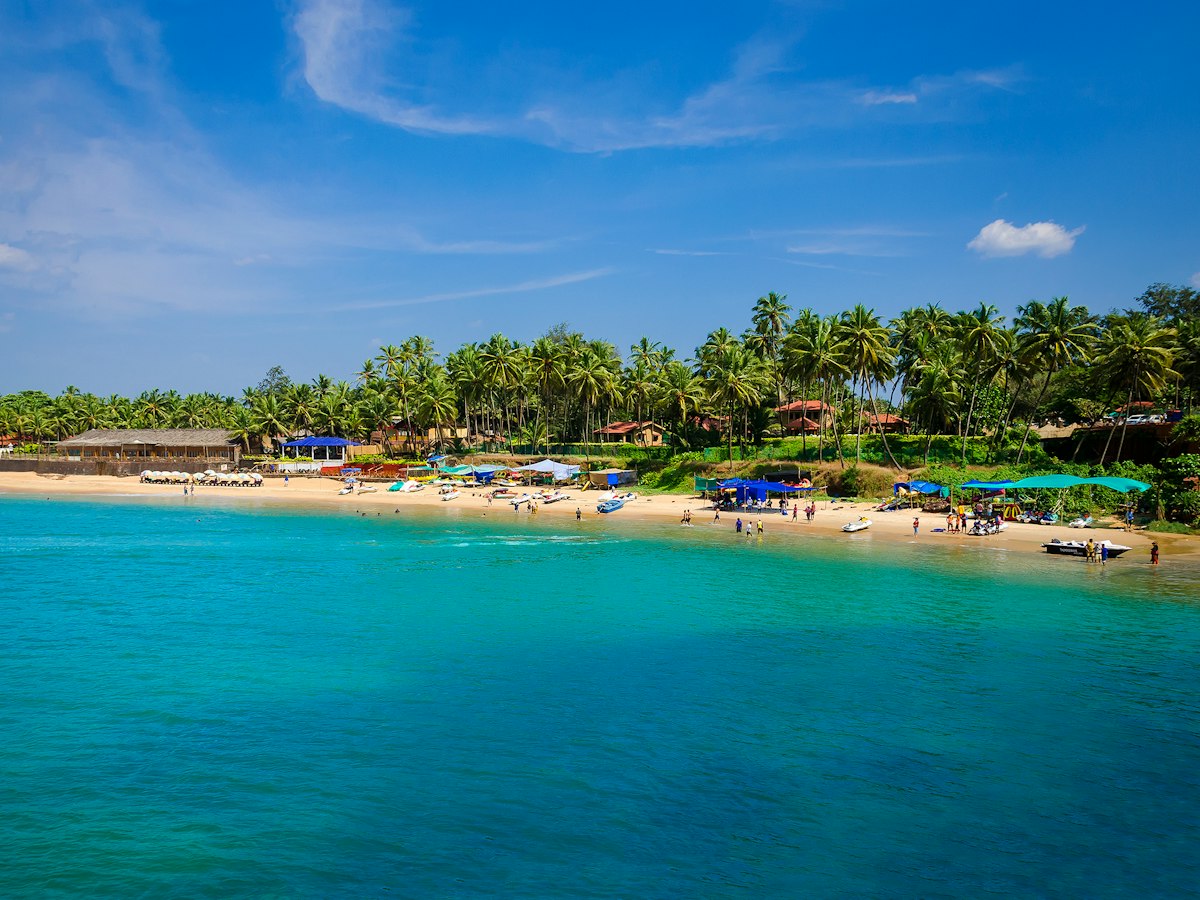
Colva Beach is the most centrally located of South Goa's beaches and the most accessible from Margao, the district's commercial hub. Its long stretch of white sand and low-key shack culture make it a favourite with domestic visitors. The beach road has several heritage houses and a small fishing harbour worth visiting.
Benaulim Beach, just south of Colva, is calmer and features a distinctive white cross monument at its entrance. The surrounding village retains a strong Portuguese character with tile-roofed houses, old Catholic churches, and narrow lanes perfect for a short walk. The beach itself is excellent for swimming.
Varca, Cavelossim, and Majorda form a continuous stretch of wide, flat beach that is largely the preserve of the luxury resort hotels. Visitors staying in North Goa are often surprised by the difference in ambience — almost no hawkers, clean sand, and clear sea. The route between these beaches offers views of the Sal River estuary.
Agonda Beach is one of Goa's most protected coastlines. Sea turtle nesting occurs here between November and February, and the beach management is strict about night lighting during nesting season. The beach is accessible only by a winding road through palm groves, which adds to its sense of remoteness.
Palolem Beach in Canacona is the crown jewel of South Goa. Its crescent-shaped bay, framed by two headlands covered in coconut palms, is consistently rated among the most beautiful beaches in India. The calm water makes it safe for kayaking and paddleboarding. The beach village behind it has excellent restaurants, yoga studios, and small guesthouses.
Old Goa: Portuguese Heritage and UNESCO Churches
Old Goa was the capital of Portuguese India from the 16th century and, at its peak, was comparable in size and importance to Lisbon. The city was largely abandoned after plague epidemics in the 17th century, but the churches survived and are now a UNESCO World Heritage Site.
The Basilica of Bom Jesus, completed in 1605, houses the remains of St. Francis Xavier in an ornate silver casket. The church's baroque facade and gilded interiors are remarkable examples of Portuguese colonial religious architecture. Entry is free and the church is open to visitors daily.
Se Cathedral, dedicated to St. Catherine, is the largest church in Asia. Its construction began in 1562 and took almost 90 years to complete. The Golden Bell in its tower — one of the largest in Goa — can be heard for miles. The interior contains several ornate chapels.
The Church of St. Francis of Assisi adjacent to Se Cathedral now houses the Archaeological Museum, with portraits of Portuguese viceroys, Hindu sculptures from excavated sites, and inscribed stone tablets. Visiting the three major church sites takes about two hours at a relaxed pace.
Cabo de Rama Fort and Betul Village
Cabo de Rama Fort sits on a headland between Agonda and Cavelossim, roughly 15 km from Cavelossim. The fort predates the Portuguese — it was held by various Hindu rulers before being captured by the Portuguese in 1763. Today the ruins include ramparts, bastions, and a small chapel. The views from the fort walls, looking south toward Agonda and north toward Varca, are among the best coastal panoramas in Goa.
Betul is a small fishing village at the mouth of the Sal River. It is largely off the tourist trail but offers a genuine glimpse of Goan fishing culture. The village has a small harbour where traditional wooden boats called catamarans are built and repaired. Crossing the Sal River on the local ferry is a memorable experience if time allows.
Tour Pricing
Transparent Fare Chart
| Service | Sedan / Hatchback | SUV / Innova |
|---|---|---|
| ₹1,499 | ₹1,999 | |
| ₹2,499 | ₹3,499 | |
| ₹1,299 | ₹1,799 |
* Prices are indicative. Final fare may vary based on distance, toll, and season. Call us for an exact quote.
All fares include driver allowance, fuel, and inter-district tolls. Church entry is free. Archaeological Museum entry charged separately. GST not included.
Frequently Asked Questions — South Goa Tour
Related Services
North Goa Tour
Calangute, Baga, Anjuna, Vagator, Chapora Fort, and more. Full-day sightseeing from ₹2,499.
Dudhsagar Waterfall Trip
Day trip to one of India's tallest waterfalls in eastern Goa. Packages from ₹2,999 from Margao.
Daily Taxi Rental
Build your own South Goa itinerary with an 8-hour hired taxi. Sedan from ₹2,499 per day.